
Outdoor benches are essential elements in any garden, patio, or backyard. They provide a comfortable spot to relax, enjoy the surroundings, and entertain guests. However, selecting benches that can endure harsh weather conditions requires careful consideration. Outdoor benches are exposed to sun, rain, snow, and wind, so choosing the right material, design, and maintenance approach is crucial for long-lasting durability. This guide explores the key factors to consider when selecting outdoor benches that remain functional and attractive through all seasons.
Understanding the Climate and Environment
Assessing Local Weather Conditions
Before purchasing an outdoor bench, it is important to evaluate the climate of the area. Regions with high rainfall or humidity may require benches that resist rust and rot. Areas with intense sunlight call for materials that do not fade or crack easily. For colder climates with snow or ice, benches should withstand freezing temperatures without warping or splitting. Understanding local weather patterns ensures the bench remains durable and reduces the need for frequent replacements.
Considering Placement
The location of the bench plays a significant role in its longevity. Placing benches under shade or partially sheltered areas can reduce sun and rain exposure, extending the lifespan of the material. Benches placed in open areas may need additional protective coatings or materials designed specifically for outdoor use. Proper placement also contributes to the aesthetic appeal and usability of the outdoor space.
Choosing the Right Material
Wood Options
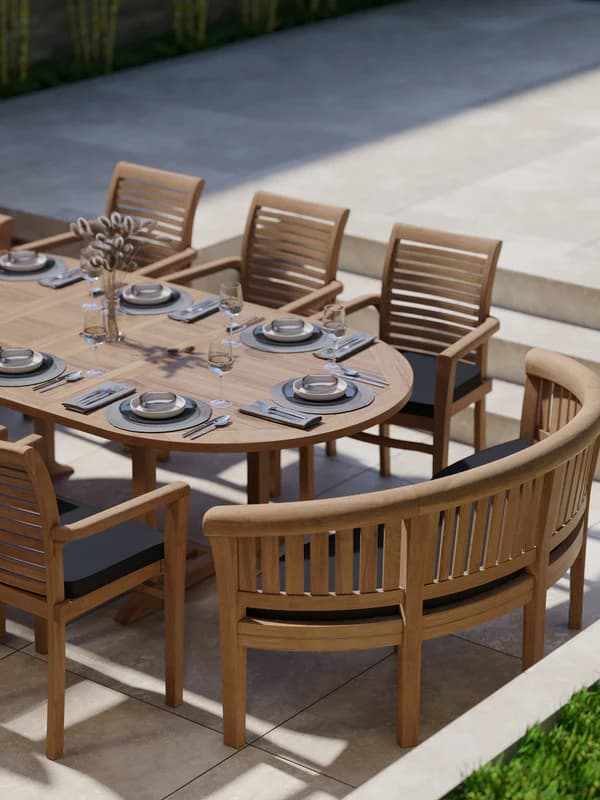
Wooden outdoor benches offer a classic and natural look. However, not all wood types are suitable for harsh weather. Teak, cedar, and redwood are excellent choices because of their natural resistance to rot and insects. These woods contain natural oils that protect them from moisture and decay. Properly treated wood can further increase durability. Regular maintenance such as sealing or staining is recommended to maintain the appearance and strength of the bench over time.
Metal Options
Metal benches are known for their strength and longevity. Aluminum, wrought iron, and stainless steel are popular choices. Aluminum is lightweight, rust-resistant, and requires minimal maintenance, making it ideal for areas with high rainfall. Wrought iron provides a sturdy and elegant option but may require protective coatings to prevent rust. Stainless steel offers both durability and a modern aesthetic while being resistant to corrosion in various weather conditions.
Synthetic Materials
Plastic, resin, and recycled materials have gained popularity due to their low maintenance and weather resistance. These benches are typically lightweight, easy to clean, and resistant to moisture, fading, and cracking. High-density polyethylene (HDPE) benches mimic the appearance of wood while offering superior resistance to harsh weather conditions. Synthetic benches are an excellent choice for areas exposed to intense sun or frequent rainfall.
Design Considerations
Structural Stability
A bench designed to withstand harsh weather should have a solid and stable structure. Reinforced joints, thick legs, and cross supports improve stability and reduce the risk of wobbling or tipping. Benches with curved or slatted designs allow water to drain efficiently, preventing pooling that could lead to rot or rust.
Comfort and Ergonomics
While durability is essential, comfort should not be overlooked. Benches with contoured seats, supportive backs, and proper height provide a comfortable sitting experience. Combining comfort with weather-resistant materials ensures that the bench is both practical and enjoyable to use.
Size and Capacity
Selecting the appropriate size and seating capacity is another important consideration. A bench that is too small may not accommodate all users, while an oversized bench may be cumbersome to move or maintain. Consider the intended use and available space to choose a bench that balances functionality and comfort.
Protective Treatments and Maintenance
Weatherproof Coatings
Applying protective coatings such as sealants, varnishes, or powder coatings can significantly increase the lifespan of outdoor benches. These treatments create a barrier against moisture, UV rays, and environmental pollutants. Regularly inspecting and reapplying these coatings ensures continued protection and preserves the bench's appearance.
Cleaning and Care
Routine cleaning is essential to maintain the bench's durability and aesthetic appeal. Removing dirt, leaves, and debris prevents mold and mildew growth, which can compromise materials over time. Mild soap and water or specialized cleaning solutions are usually sufficient for most outdoor benches.
Seasonal Protection
In regions with extreme weather conditions, seasonal protection can enhance the bench's lifespan. Covering benches during winter or moving them to sheltered areas during storms reduces exposure to harsh elements. Even weather-resistant materials benefit from occasional protective measures.
Enhancing Longevity Through Smart Choices
Modular or Portable Designs
Benches with modular or portable designs offer flexibility and convenience. They can be moved or reconfigured to adapt to changing weather conditions or outdoor layouts. Modular benches also allow easier replacement of damaged parts, extending the overall lifespan of the furniture.
Matching Style with Function
Choosing a bench that complements the garden or patio style while fulfilling practical needs ensures both durability and visual appeal. Whether it is a traditional wooden bench, a sleek metal design, or a modern synthetic option, the right balance of style and function enhances the outdoor space.
Investing in Quality
While budget-friendly options are available, investing in high-quality outdoor benches often results in better performance and longevity. Quality materials, superior construction, and thoughtful design reduce maintenance requirements and increase satisfaction over time.
Conclusion
Selecting outdoor benches that withstand harsh weather involves careful consideration of climate, materials, design, and maintenance. By choosing durable woods, rust-resistant metals, or high-quality synthetic materials, and by applying protective coatings and regular care, homeowners can enjoy functional and attractive benches year-round. Thoughtful placement, ergonomic design, and investment in quality further enhance the longevity and usability of outdoor benches. For those seeking reliable and weather-resistant outdoor seating solutions, Luxus Home and Garden Limited provides expert guidance and a wide range of durable options.


Write a comment ...